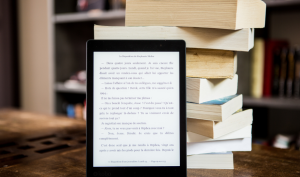

People read eBooks using various electronic devices equipped with eBook reading software or applications. Here’s how they typically do it:
E-readers: Dedicated e-readers like Amazon Kindle, Barnes & Noble Nook, or Kobo are specifically designed for reading eBooks. They use electronic ink (e-ink) displays that mimic the appearance of printed paper and provide a comfortable reading experience, even in bright sunlight. E-readers often have features tailored for reading, such as long battery life, adjustable font sizes, and built-in dictionaries.
Tablets: Many people read eBooks on tablets such as iPads, Samsung Galaxy Tabs, or Android tablets. These devices offer a versatile reading experience along with other functionalities like web browsing, email, and app usage. Users can download eBook reading apps from digital stores like Apple Books, Google Play Books, or Kindle, allowing them to access a wide range of eBooks.
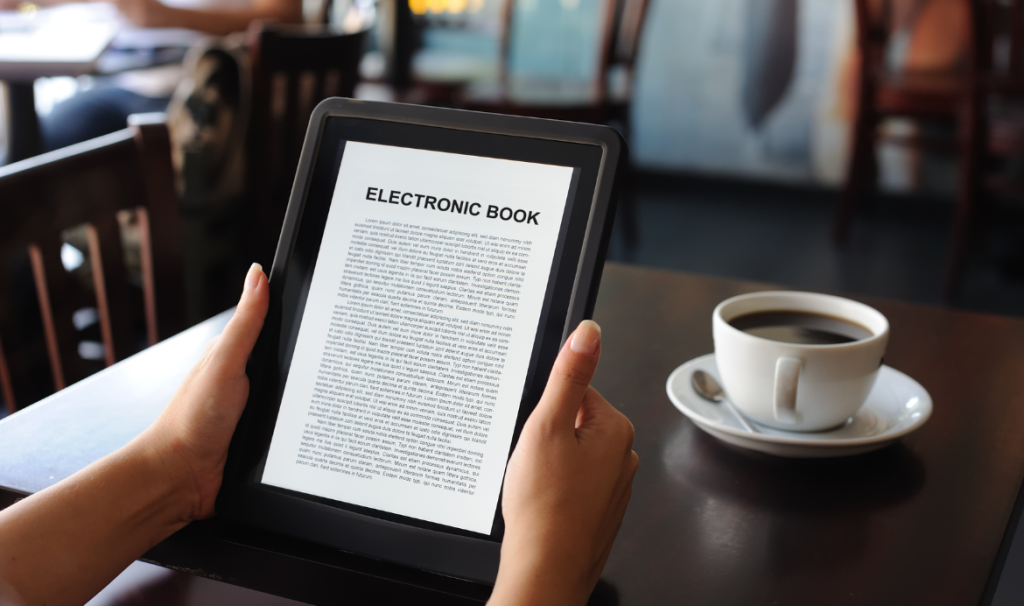
Smartphones: Smartphones are also popular devices for reading eBooks due to their portability and convenience. Users can download eBook reading apps from app stores like Google Play Store or Apple App Store. Though the smaller screen size may not be as comfortable for extended reading sessions compared to larger devices like tablets or e-readers, smartphones offer a practical solution for reading on-the-go.
Computers: Some people choose to read eBooks on their desktop or laptop computers using software applications like Adobe Digital Editions, Calibre, or Kindle for PC/Mac. Reading on a computer screen might not be as comfortable as using dedicated e-readers or tablets, but it can be a suitable option for individuals who prefer to read on their existing devices or need access to eBooks while working on their computers.
Web browsers: Many eBook platforms offer web-based reading options, allowing users to access their eBook libraries through internet browsers on computers, tablets, or smartphones. This method provides flexibility as users can access their eBooks from any device with an internet connection without the need to download additional software.
Regardless of the device or platform used, people typically purchase or download eBooks from online retailers, public domain repositories, or library websites, and then access and read them using the appropriate software or app.